
DIY Pyrotechnics Safety Tips: What You Need to Know Before Your Next Event
Understanding the Basics of DIY Pyrotechnics
Creating your own pyrotechnic display can be an exciting and rewarding experience. However, it's crucial to approach this activity with a strong understanding of the basics. Pyrotechnics involve controlled explosions and chemical reactions, so proper knowledge and handling are essential to ensure safety.
Before you begin, familiarize yourself with the different types of pyrotechnic materials and their specific uses. For example, sparklers, fountains, and Roman candles each have unique properties and safety considerations. Knowing these differences can help you plan an effective and safe display.

Legal Considerations and Regulations
One of the first steps in planning a DIY pyrotechnics show is understanding the legal regulations in your area. Laws regarding the use of fireworks can vary significantly by location, so it's important to check both local and state regulations. This will help you avoid fines and ensure that your event is legal.
In many areas, permits are required for certain types of fireworks. Make sure to apply for any necessary permits well in advance of your event. Additionally, some locations may restrict pyrotechnic activities during specific times of the year due to fire hazards.
Essential Safety Equipment
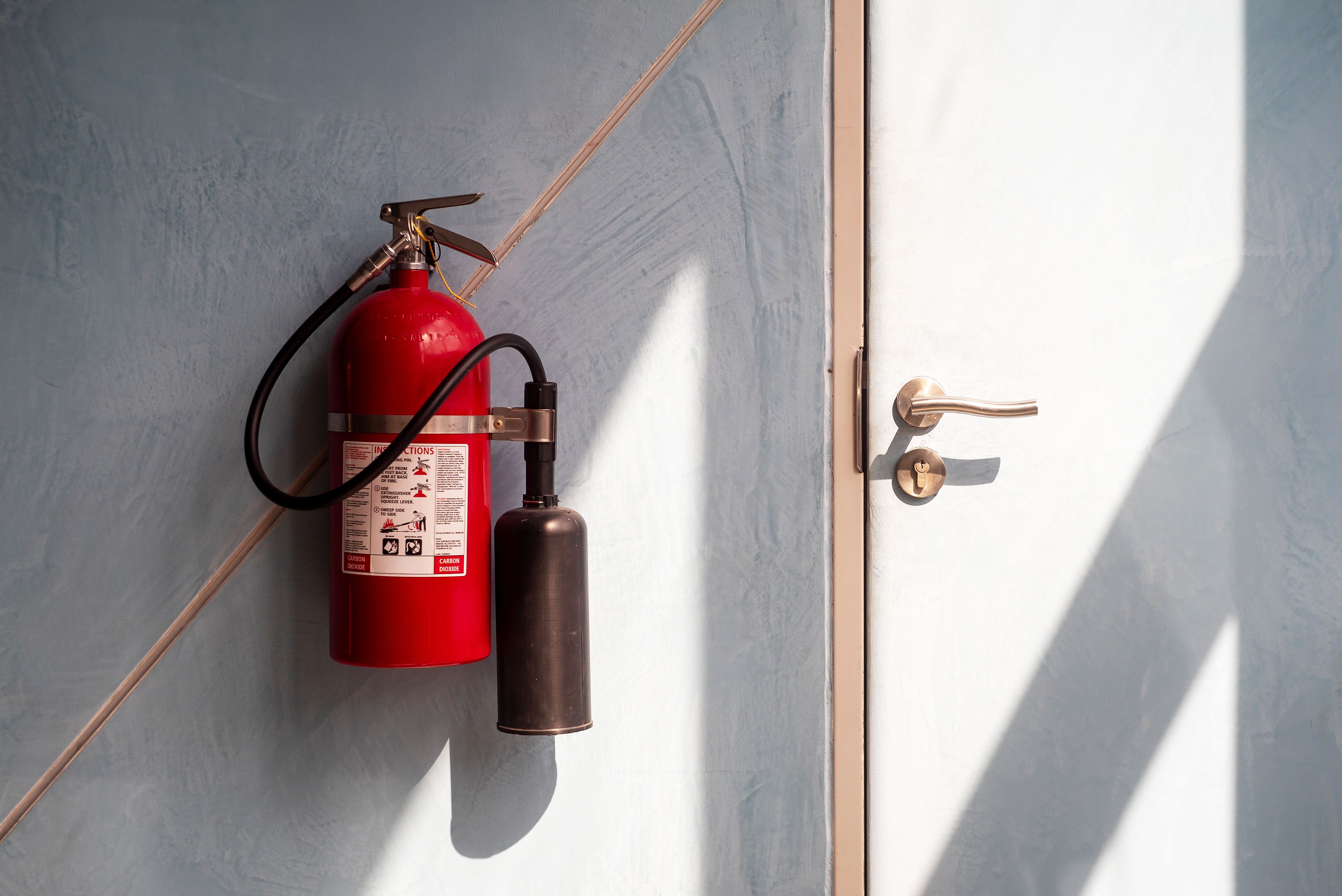
When handling pyrotechnics, safety equipment is non-negotiable. Always have a fire extinguisher on hand and ensure it is fully charged and easily accessible. Protective eyewear and gloves are also crucial to protect against accidental burns or injuries.
Another important safety tip is to set up a designated safety zone. This area should be clear of any flammable materials and should provide ample space between the audience and the pyrotechnic display.
Setting Up Your Display
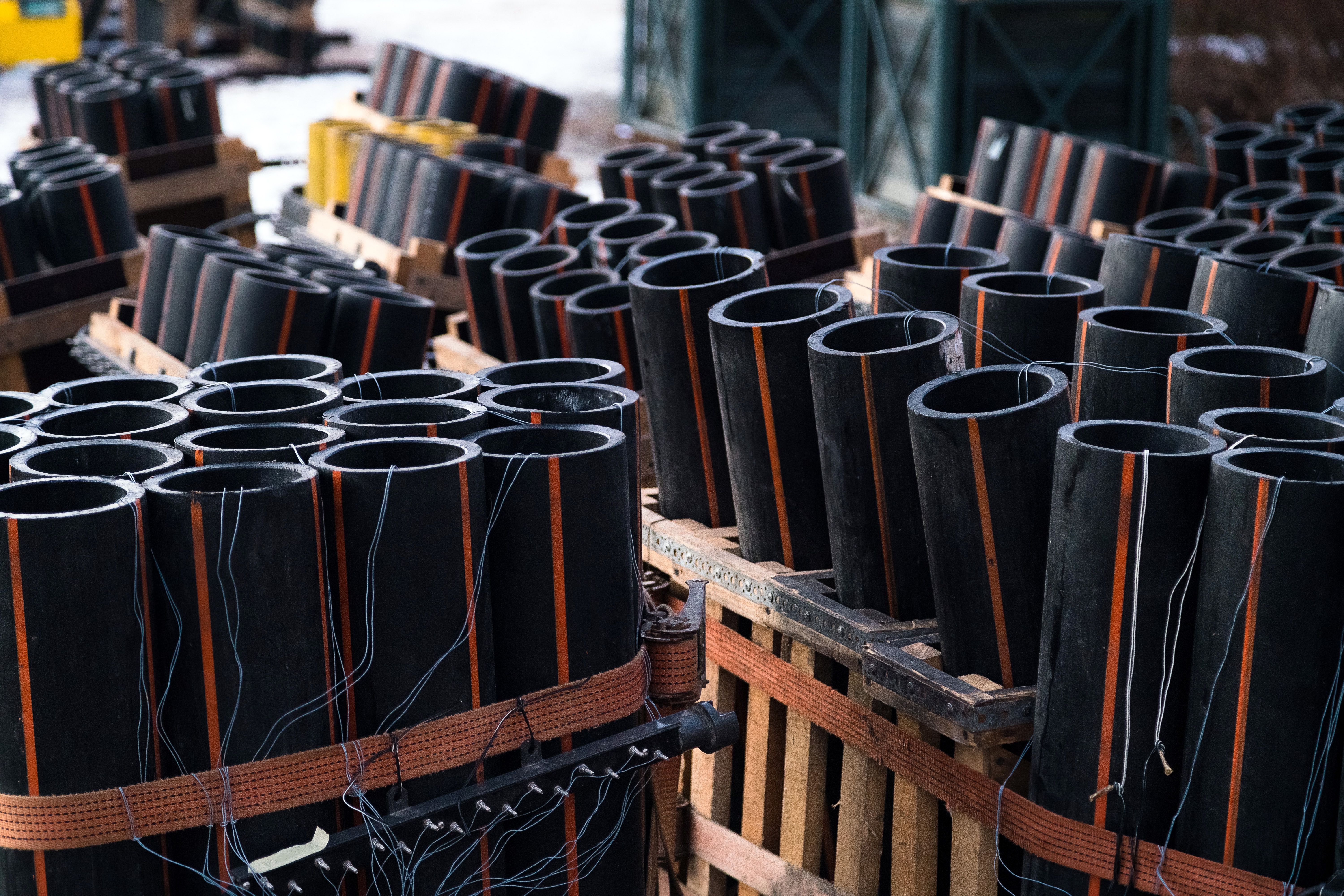
Proper setup is key to a successful and safe pyrotechnic event. Begin by choosing a suitable location, such as an open field, away from buildings and trees. Secure your fireworks to prevent them from tipping over, and ensure that they are aimed away from any spectators.
Organize your fireworks in the order they will be ignited, and create a clear plan for the sequence of your display. Consider the wind direction and weather conditions, as these can affect the trajectory and performance of your pyrotechnics.
Safe Ignition Practices
When it comes to igniting your fireworks, safety should be your top priority. Use a long-reach lighter or a torch to maintain a safe distance from the fireworks. Never attempt to relight a dud, as this can be extremely dangerous.
Always have a spotter to assist with monitoring the surroundings and ensuring the audience's safety. Communication between team members is crucial for a smooth and safe operation.
Post-Display Safety Measures
After the show, take the time to ensure all fireworks have been properly extinguished and disposed of. Soak used fireworks in water before discarding them to prevent any accidental fires. Conduct a thorough cleanup of the area to remove any debris or hazardous materials.
Finally, review your event with your team to discuss what went well and what could be improved for future displays. Continuous learning and improvement are essential to maintaining safety and creating impressive pyrotechnic shows.